
Amador County, located in the Sierra Nevada foothills, is a place where history comes to life, especially during the California Gold Rush. The discovery of gold in the late 1840s led to a migration of thousands of people from across the globe, each hoping to strike it rich. As one of the major players in the Gold Rush, Amador County witnessed a transformation from a small, rural area to a bustling center of commerce, mining, and cultural development. Today, visitors can explore the preserved remnants of this fascinating period, from historic mines to museums showcasing the daily lives of the pioneers who helped shape this part of California.
The Birth of Amador County During the Gold Rush
In 1848, the Gold Rush transformed California. Within a year, the population surged as people flooded the region from the east, the Pacific, and even foreign lands. Amador County, which was part of El Dorado County at the time, became a critical area for miners seeking their fortune. The rich gold deposits found in the region led to the establishment of several towns, most notably Jackson and Sutter Creek, which quickly became vital hubs of commerce and mining operations. By 1854, the county was officially formed, and it rapidly became one of the most prosperous regions in the state.
The area’s economy was driven by its gold mines, and towns like Jackson, Plymouth, and Sutter Creek saw their populations explode. These towns boasted hotels, saloons, and general stores catering to the growing number of miners, prospectors, and settlers who arrived daily. It was a place of opportunity, but also of hardship, as the Gold Rush era was filled with danger, disease, and difficult working conditions. Miners worked long hours in harsh conditions, using primitive tools and facing constant threats of accidents in the mines. Despite the challenges, the allure of striking it rich kept people coming from far and wide. Learn more about the California Gold Rush on Wikipedia.
Historic Sites to Visit in Amador County
Today, Amador County offers a wealth of historic sites and landmarks that preserve the memory of its Gold Rush past. The region’s historic mines, preserved towns, and local museums give visitors the chance to experience a part of California’s history that is still very much alive. Here are a few must-visit spots:
The Kennedy Mine
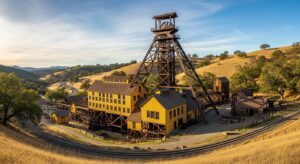 The Kennedy Mine, located just outside Jackson, is one of the most famous landmarks in the region. Opened in 1860, it became one of the richest gold mines in the state. The mine operated for several decades, producing millions of dollars in gold before closing in the 1940s. Today, the site offers tours where visitors can see the preserved structures, including the headframe and remnants of the shaft, which is one of the deepest gold mine shafts in the world. The Kennedy Mine also features an informative museum that tells the story of the mine’s operation and the lives of those who worked there.
The Knight Foundry
The Knight Foundry in Sutter Creek is another Gold Rush-era site that has been preserved. Founded in 1873, the foundry produced mining equipment and other essential items used during the Gold Rush. What makes the Knight Foundry so unique is that it is still operational today, making it one of the few foundries of its kind in the United States. Visitors can tour the foundry and see blacksmiths and machinists working with 19th-century tools and techniques. It’s an incredible experience for anyone interested in the craftsmanship and ingenuity that fueled the Gold Rush. Learn more about Knight Foundry.
The Jackson Historic District
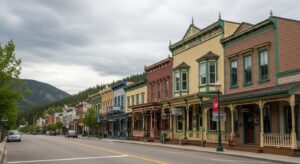 The Jackson Historic District is one of the most well-preserved areas in Amador County. Walking through Jackson’s streets is like stepping back in time. The town features Victorian-era homes, buildings, and businesses that have been carefully restored to reflect the Gold Rush era. Visitors can stroll down Main Street, where they will find a mix of antique shops, historic hotels, and museums. The Amador County Museum, located in Jackson, offers exhibits on the history of the Gold Rush, with displays featuring gold mining equipment, artifacts from local mines, and a look at the daily lives of the people who lived here during the 19th century.
Gold Rush Museums and Exhibits
Amador County is home to several museums and exhibits that showcase the Gold Rush history of the region. The local museums are an invaluable resource for those interested in learning more about the people and events that shaped the area. Here are some notable museums to explore:
The Amador County Museum
Located in Jackson, the Amador County Museum is one of the best places to learn about the history of the county during the Gold Rush. The museum has an extensive collection of artifacts from the Gold Rush era, including mining tools, early transportation vehicles, and personal belongings of miners. The museum’s exhibits also tell the story of the cultural diversity that emerged during the Gold Rush, as miners from all over the world, including China, Europe, and South America, made their way to California. The museum offers a fascinating look at the hardships, triumphs, and innovations of the Gold Rush period. Explore more about the Amador County Museum.
The Sutter Creek Visitor Center
The Sutter Creek Visitor Center is another great resource for Gold Rush enthusiasts. This center is located in the heart of historic Sutter Creek, one of the most important Gold Rush towns in California. The visitor center offers exhibits on the town’s history, as well as brochures and information on nearby attractions. It’s a great place to start your journey through the Gold Rush history of Amador County and learn about the local landmarks and attractions. Learn more about Sutter Creek.
Gold Country Museum
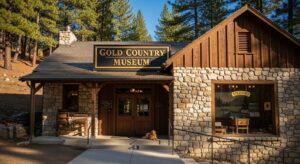 The Gold Country Museum in nearby Grass Valley is a bit further out but worth the trip for anyone interested in Gold Rush history. The museum features a variety of exhibits, including an extensive collection of mining equipment, gold nuggets, and relics from the Gold Rush era. The museum’s exhibits offer visitors a chance to learn about the technology that revolutionized gold mining and the impact that the Gold Rush had on California’s development.
Gold Rush Culture and the Legacy of Amador County
The Gold Rush not only transformed Amador County’s economy, but it also shaped the culture and social fabric of the region. The diversity of miners and settlers who came to California during the Gold Rush led to a vibrant cultural melting pot. People from all over the world brought their traditions, languages, and customs, creating a unique atmosphere in towns like Jackson and Sutter Creek. This cultural diversity is still evident in the area today, with local restaurants, shops, and events celebrating the rich heritage of the region.
One of the most interesting aspects of Gold Rush culture was the role of women in the community. While the Gold Rush era is often thought of as a male-dominated period, many women played essential roles in the development of the region. Women ran businesses, helped support the local economy, and were instrumental in building the towns that sprang up around the mines. Some even worked as miners or ran boarding houses for miners. Their contributions have often been overlooked in mainstream histories, but they are an integral part of the story of Amador County’s Gold Rush past.
Conclusion
Amador County’s Gold Rush history is an integral part of California’s heritage, and the region’s preserved landmarks and museums provide an incredible opportunity to step back in time. Whether you’re visiting the Kennedy Mine, exploring the historic districts of Jackson and Sutter Creek, or delving into the exhibits at the Amador County Museum, you’ll gain a deeper appreciation for the people and events that shaped this beautiful region. From the hardworking miners to the entrepreneurs and families who settled in the area, the Gold Rush left a lasting legacy that continues to be celebrated today.